 Skip to content
Copper Flat Wire Forming Process for Electrical Applications

Importance of Copper Flat Wire in Electrical & Power Applications In electrical and power applications, copper flat wire is crucial and irreplaceable, especially in key components like transformers, busbars, coils, and connectors, which are fundamental to electrical systems. For example, transformers use it to transfer energy, and busbars use it to distribute power. Coils and […]
Spring Steel Flat Wire Forming Process for Piston Ring Applications
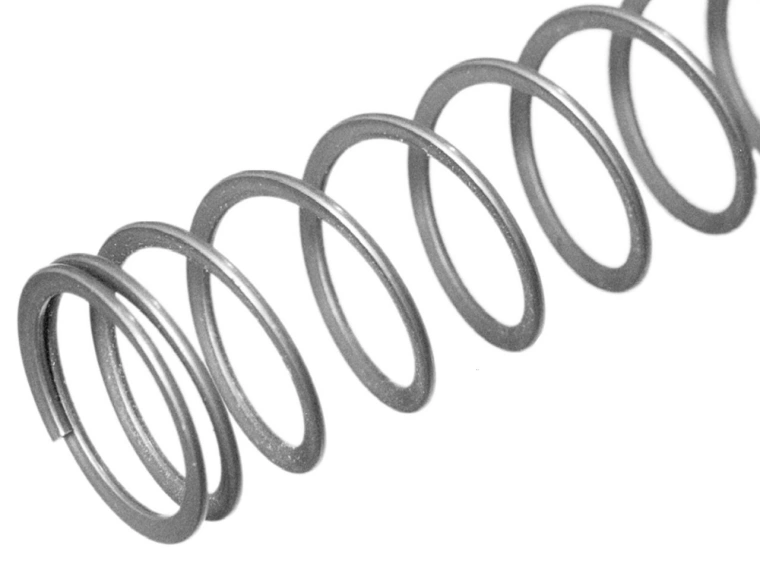
Automotive Engine Components and Spring Steel Flat Wire for Piston Rings In the automotive engine components industry, piston rings are essential for sealing, heat transfer, and wear resistance. Their performance relies on spring steel flat wire with precise dimensions, uniform thickness, and controlled mechanical properties. Selecting the right wire grade—such as AISI 1075, 1095, or […]
From Trapezoidal Wire to Retaining Rings: Advanced Rolling Solutions Explained
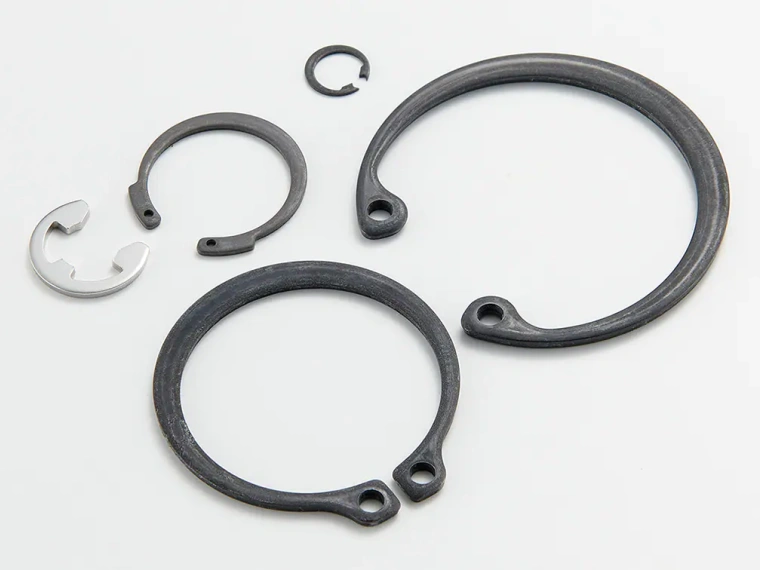
Introduction: Precision Begins with the Wire In high-performance mechanical assemblies, retaining rings—also known as snap rings, circlips, or coil rings—provide reliable axial positioning for shafts, bores, bearings, and powertrain components. While the final ring design often takes the spotlight, the upstream process that converts standard round spring wire into precision-engineered trapezoidal wire is the real […]
Complete Rolling Solutions for Automotive Snap Rings and Lifting Rings

Introduction: Precision Metal Forming for Automotive Fasteners In the automotive and industrial sectors, snap rings, retaining rings, and lifting rings are critical components that ensure assembly reliability, load distribution, and safety. Achieving consistent quality in these components requires precision-engineered metal wire rolling solutions capable of producing complex profiles with tight tolerances. Modern profile wire rolling […]
Copper Flat Wire Production: Dimensions, Tolerances, and Process

Introduction to Copper Flat Wire Production Copper flat wire is a precision-engineered conductor used in transformers, inductors, stators, coils, busbars, and precision electrical contacts. High-quality copper wire requires tight control over conductivity, thickness, surface quality, and mechanical flexibility, as small deviations can cause overheating, energy loss, or equipment failure. In this article, we explore copper […]
Spring Steel Flat Wire Production Problems and Solutions

Common Challenges in Spring Steel Flat Wire Manufacturing Spring steel flat wire is a critical material in automotive, industrial, electronics, and medical applications. Known for its high tensile strength, elasticity, and tight dimensional tolerances, it requires precision production. Manufacturers often face challenges such as surface defects, inconsistent thickness, residual stresses, micro-cracks, and variable mechanical properties, […]
Spring Steel Flat Wire Production Process

Introduction to High-Quality Spring Steel Flat Wire Production Spring steel flat wire is a specialized material prized for its high strength, excellent elasticity, and precise dimensional stability. It is widely used in automotive leaf springs, precision clips and fasteners, industrial springs, electrical contacts, and medical devices such as surgical instruments and orthodontic appliances. Producing this […]
Titanium Wire Flattening Process: Techniques, Challenges, and Applications

Introduction of Titanium Flat Wire Titanium flat wire is a critical material in aerospace, medical, electronics, and industrial sectors due to its exceptional strength-to-weight ratio, corrosion resistance, and biocompatibility. These wires are widely used in demanding applications such as chemical processing, anodized components, hanging parts, tie-downs, and robust racking systems, where precision and durability are essential. Its high […]
Material Selection for PV Ribbon Manufacturing

Introduction PV interconnect ribbons function as the critical electrical pathways within solar modules, enabling efficient current transfer between cells and ultimately to the module output. The material properties of the ribbon directly influence not only electrical performance but also thermal management, mechanical stability, and module longevity. Ribbons must combine low electrical resistance, sufficient tensile strength, […]