 Skip to content
Introduction to Hot Drawing for Alloy Wires
Precision alloy wires—such as stainless steel springs for aerospace actuators, high-strength steel wires for automotive suspension systems, and nickel or copper alloy wires for fine electrical connectors—must meet extremely tight tolerances while maintaining excellent mechanical performance. Producing these wires consistently poses several challenges: controlling microstructural defects in high-strength alloys, achieving uniform diameter in ultra-fine wires, preventing surface oxidation, and maintaining ductility during reduction.
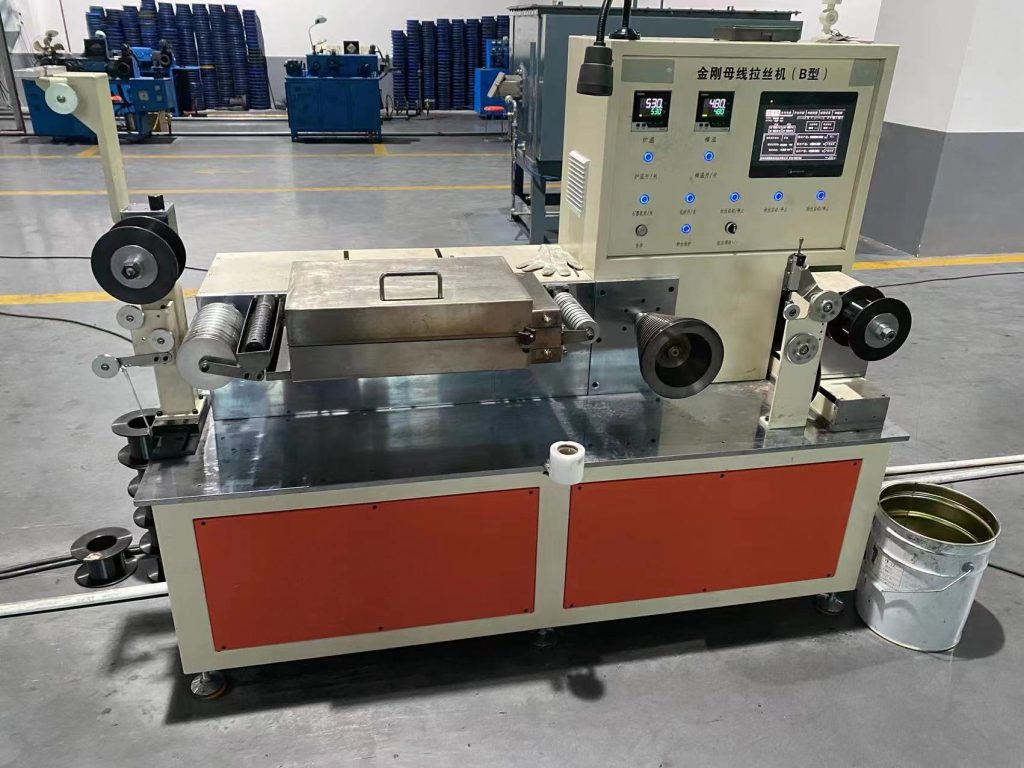
Hot drawing, performed at carefully controlled elevated temperatures, addresses these challenges by minimizing internal stresses, improving ductility, and enabling efficient processing of difficult-to-draw alloys. The CRM Hot Wire Drawing Machine 2026 is designed to deliver precise temperature regulation and automated tension control, ensuring stable quality across a wide range of challenging alloy grades.


Key Materials and Alloy Grades Suitable for Hot Drawing
High-performance hot drawing processes are often applied to the following alloy categories:
Material | Typical Grades | Application Notes |
Stainless Steel | 304, 316, 321 | Corrosion-resistant wires for medical devices, springs, and fasteners |
Nickel Alloys | Inconel 625, Inconel 718 | Aerospace components and high-temperature applications |
Copper Alloys | CuBe, CuNi | Electrical contacts, connectors, and high-conductivity applications |
High-Strength Steel | 60Si2Mn, 65Mn | Automotive suspension springs and high-stress fasteners |
Precision Wire Dimensions for alloy wire products
Precision hot drawing is suitable for a wide range of wire diameters and shapes:
- Finished wire diameter: 0.1 mm – 12 mm
- Tolerance: ±0.005 mm for high-precision applications
- Cross-sections: Round, square, and flat wire
- Surface finish: Ra 0.1–0.4 µm achievable with proper lubrication and temperature control
Such precision is essential for applications where dimensional consistency directly affects performance, including fine electrical wiring and high-strength fasteners.
Hot Drawing Process Optimization Techniques
Optimizing hot drawing involves a careful balance of temperature, die geometry, reduction per pass, and lubrication:
Real-Time Temperature Monitoring & Closed-Loop Control
Integrated thermal sensors (infrared pyrometers + thermocouples) provide ±2°C accuracy in measuring wire temperature across the heating and drawing stages.
Closed-loop control automatically adjusts heating power and cooling rates to maintain the alloy-specific optimal temperature range, eliminating human error and thermal inconsistencies.
Automated Tension Control System
Servo-driven tension regulators dynamically adjust drawing force to match the wire’s changing mechanical properties during reduction, preventing snap-offs and minimizing internal stress.
Tolerance of ±1N ensures consistent tension across all passes, critical for producing wires with uniform diameter and mechanical strength.
Optimized Multi-Stage Die Sequencing
Modular die cartridge design allows quick replacement of worn dies and easy reconfiguration for different alloy types or wire gauges.
Pre-calibrated die angle and bearing length combinations for stainless steel, nickel alloys, and titanium alloys reduce setup time by 60% compared to conventional machines.
Smart Lubrication & Wear Monitoring
Automated lubricant dispensing system with dosage control ensures consistent lubricant application, reducing material waste and friction-related defects.
Embedded wear sensors track die surface degradation in real time, triggering predictive maintenance alerts before wear impacts product quality or die life.
High-Speed Production with Precision Retention
The machine achieves a maximum drawing speed of 80 m/min (stainless steel) and 50 m/min (nickel alloys) while maintaining diameter tolerance of ±0.003 mm—a 30% increase in throughput over legacy models without compromising precision.
Energy-efficient induction heating and brushless servo motors reduce power consumption by 25%, aligning with sustainable manufacturing goals.
In summary, optimizing hot drawing requires a holistic approach to process parameters, and the 2026 CRM Hot Wire Drawing Machine delivers a turnkey solution to unlock maximum efficiency, product quality, and operational longevity for high-strength alloy wire production.
Machine Solutions for Consistent Alloy Wire Quality
For manufacturers seeking reliable, high-throughput solutions, our Hot Wire Drawing Machines offer:
- Fully automated temperature and tension control
- Multi-stage die systems for minimal surface defects
- Compatibility with stainless steel, nickel, copper, and high-strength alloys
- Customizable configurations for round, flat, and shaped wires
By integrating these machines into your production line, you can achieve superior wire quality, maintain tight tolerances, and optimize throughput for demanding industrial applications.
Conclusion
Hot drawing optimization is essential for producing high-quality, precision alloy wires across multiple industries. Advanced hot wire drawing machinery, like our CRM Hot Wire Drawing Machine 2026, further ensures consistent tension control, precise temperature management, and multi-stage reduction capability, making it possible to process high-strength and hard-to-draw alloys efficiently. This optimization not only improves production yield but also minimizes defects such as micro-cracks, surface oxidation, or internal stresses.
Moreover, optimized hot drawing enables flexibility across different wire diameters and alloy grades, from fine copper and nickel wires for electronics to high-strength steel and stainless steel for automotive springs and medical instruments. By integrating these best practices and advanced equipment into your production line, you can maximize wire performance, extend tool life, and achieve tighter tolerances, ultimately delivering a more reliable and cost-effective product to your customers.