To determine the number of rolling stages required based on the width-to-thickness ratio of the finished flat wire, consider the following process:
1. Calculate the Desired Width-to-Thickness Ratio:
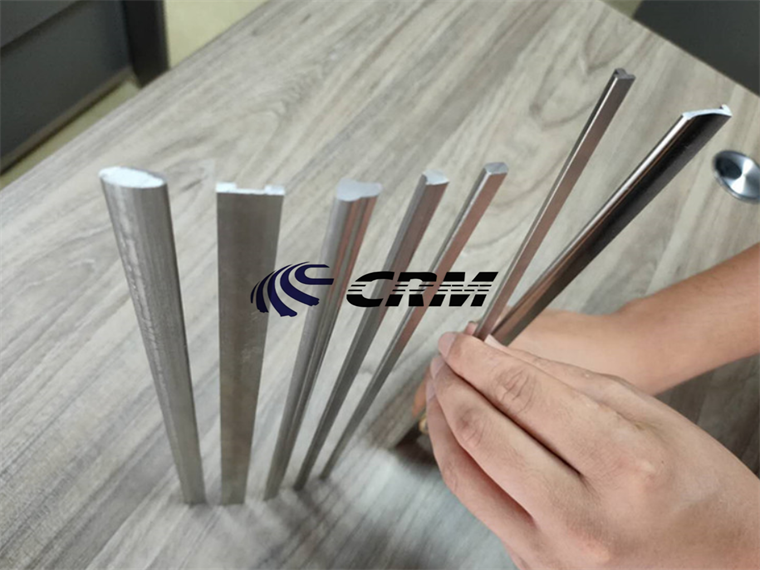
First, Calculate or determine the desired width-to-thickness ratio of the finished flat wire. This ratio is a key specification for the end product, influencing factors such as flatness, appearance, tensile strength, yield strength, and overall mechanical properties.
2. Establish the Initial Wire Dimensions:
Determine the initial diameter (or thickness) of the round wire or bar before cold rolling. The starting thickness will influence how much reduction is needed at each stage.
3. Define Reduction per Stage:
The reduction per rolling stage depends on the rolling mill and material. For most spring flat wire processes, the reduction per stage is generally between 10% and 40% of the wire's thickness. However, this varies depending on the material properties and equipment.
4. Determine the Total Reduction Needed:
To reach the desired width-to-thickness ratio, calculate the total reduction in the wire's thickness by comparing the starting thickness and the desired final thickness. But there are many cases where this is not realistic.
5. Estimate the Number of Rolling Stages:
Divide the total required reduction by the average reduction per stage. For example, if you need to reduce the stainless and steel wire's thickness by 80% and the average reduction per stage is 20%, you will need approximately 4 rolling stages (80% ÷ 20%).
6. Consider Material and Process Limits:
Keep in mind that rolling limits, stainless steel raw material type, and quality requirements (such as surface finish and mechanical properties) might influence the number of stages. For example, materials that are harder or have more complex properties may require additional stages or specific heat treatments between stages.
7. Judge by experience
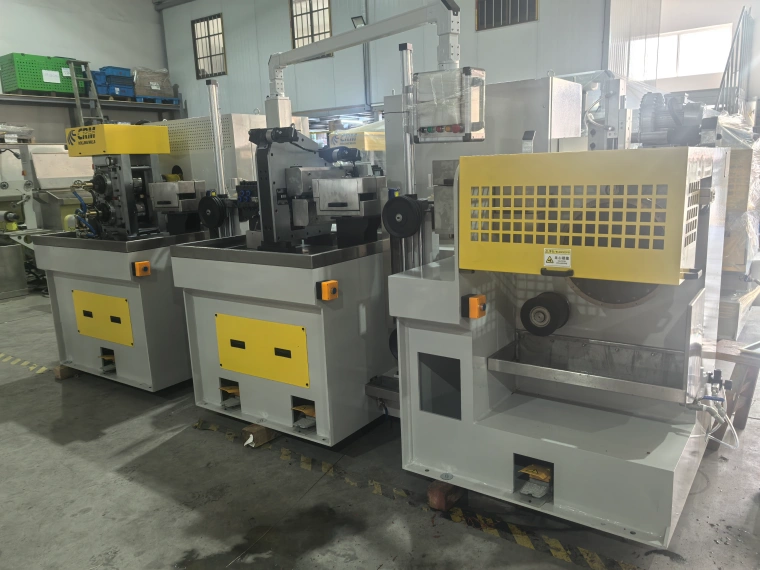
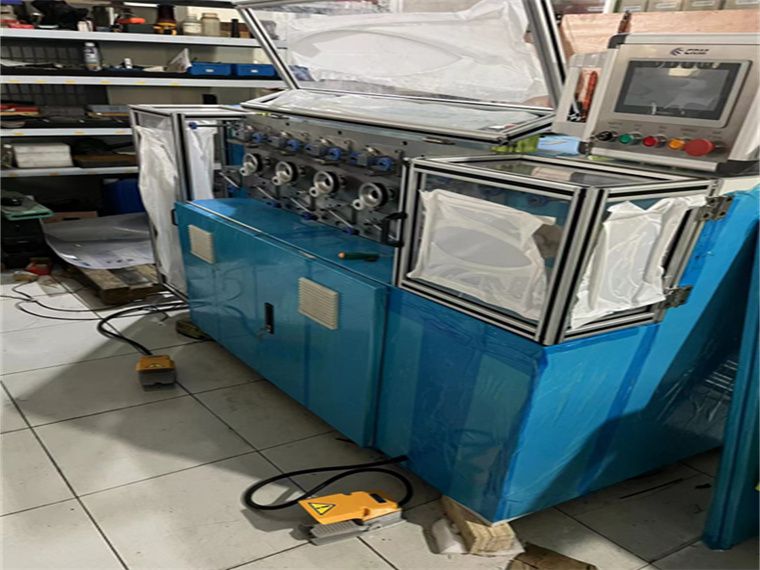
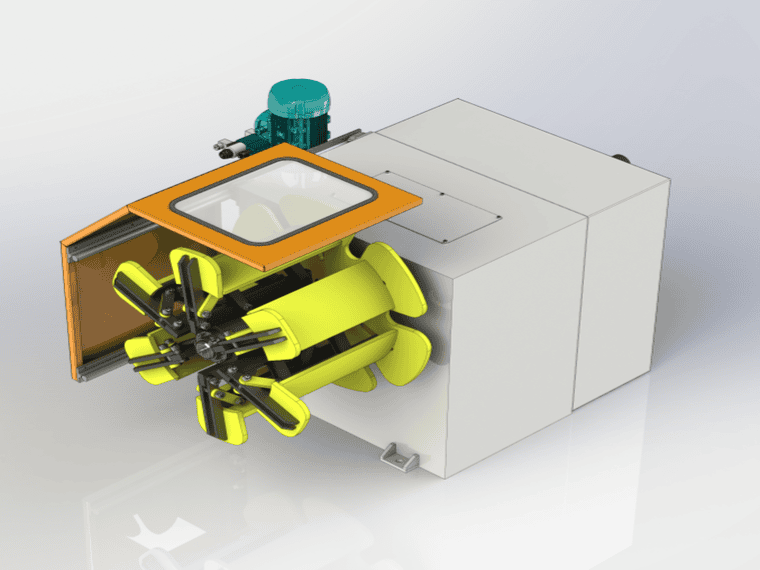
For example, we have years of experience in the production and manufacturing of rolling mills and wire drawing machines. We often rely on this expertise to determine the number of rolling mills required. Take producing stainless steel flat wire with dimensions of 1.23x6.52, for instance. According to calculations, three rolling mills would be needed. However, in our daily production, we have found that two rolling mills are more than sufficient to meet the requirements. Therefore, we make judgments based on our practical experience.
 Skip to content