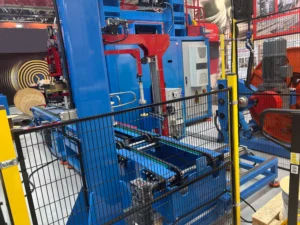
Wire Drawing Process
What Factors Affect the Accuracy of Shaped Wire Drawing?
Complete guide to the factors affecting shaped wire drawing accuracy, covering equipment, tooling, process parameters, material characteristics, and quality control.

Complete guide to the factors affecting shaped wire drawing accuracy, covering equipment, tooling, process parameters, material characteristics, and quality control.
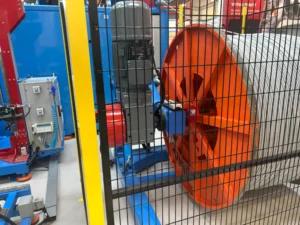
Introduction During continuous shaped wire drawing production, manufacturers repeatedly encounter identical quality failures that reduce yield and increase die consumption costs. Based on thousands of
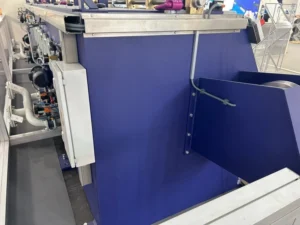
Introduction Many metal processing factories waste budget on mismatched shaped wire drawing machines: purchasing high-precision wet equipment for thick carbon steel wire, or low-spec dry
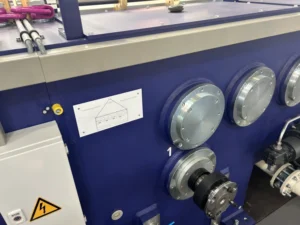
Introduction Many factory operators and procurement engineers grasp machine operation only superficially, leading to unstable wire quality and frequent breakage. This article unpacks the full
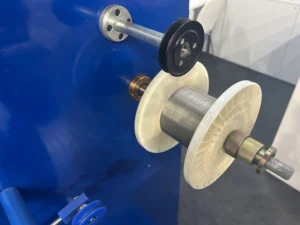
Introduction Non-circular shaped wire is irreplaceable for EV motor winding, automotive springs, aerospace components, medical guide wires and new energy conductive parts. As a top
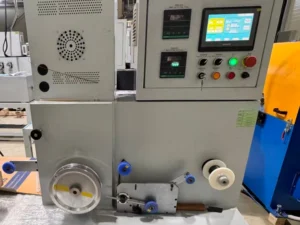
This article briefly explains lubrication system selection in titanium wire drawing, covering cold and hot drawing, and how lubricant type is determined by titanium grade, wire diameter, and process temperature to ensure stable performance and surface quality.
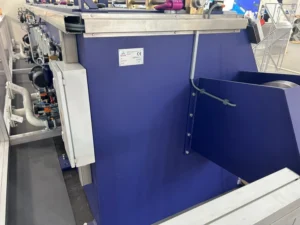
Titanium wire surface stripping system (peeling/descaling system) integrated in wire drawing production lines for stable surface control, improved drawing performance, and consistent annealing and forming quality based on material grade and process requirements.

This page explains the engineering principles of titanium wire annealing system integration in wire drawing production lines. It covers material-specific selection for Gr1, Gr2, and TC4 titanium, system configuration options including continuous, bright, and vacuum annealing, and key process parameters such as temperature control, atmosphere protection, and tension synchronization. The content is intended to guide production line design and equipment selection for industrial titanium wire manufacturing.
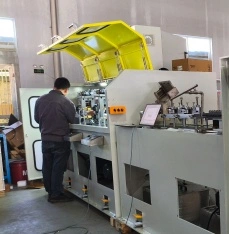
Introduction Fine titanium wire production is not simply a continuation of standard drawing reduction. Once the wire diameter enters the sub-millimeter range, the process behavior