 Skip to content
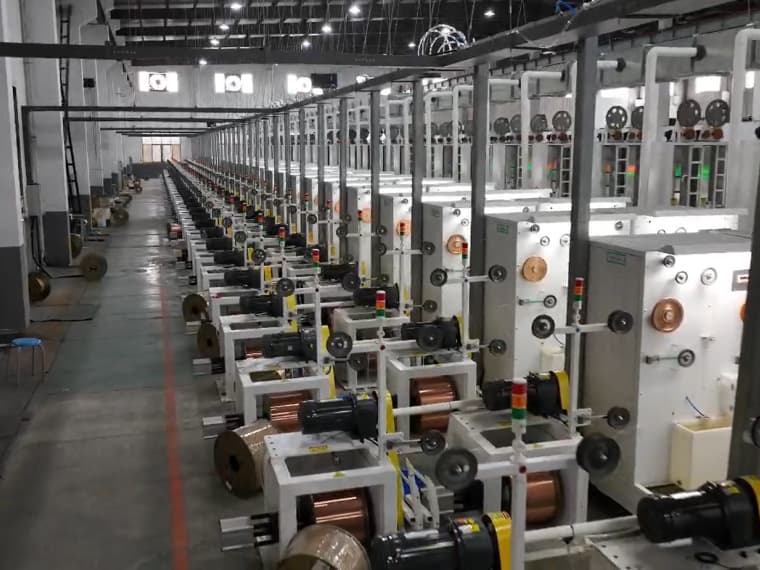
The CRM Tinned Copper Wire Production Line produces high-quality tinned copper wire by coating oxygen-free copper wire with a thin layer of tin alloy Sn60Pb40. This production line actively enhances the wire’s performance in electrical and electronic applications, improving conductivity, corrosion resistance, and solderability. It delivers wires with a tin coating thickness of around 15 microns on one side and final diameters typically ranging from 0.18 mm to 0.4 mm, ensuring precise and consistent quality for demanding industrial uses.
Comprehensive Wire Processing Solutions Worldwide
Sky Bluer Environmental designs, manufactures, and supplies a complete range of equipment, including copper wire tin plating machines, PV ribbon machines (lead or lead-free), bus ribbon machines, fine wire drawing machines, rolling mills, and more. We also offer the most common styles for different countries, such as British, Indonesia, Malaysia, Germany, Switzerland, Sweden, Australia,Turkey, American, Australian, Japanese, Italian,Indian styles, etc.
Specifications for Copper Wire Tin Plating Machine
All copper wire tin alloy plating machines produced by our factory are rigorously tested to meet both national and international standards. Feel free to contact us at any time for more details about our production lines
- Line speed:450m/min
- Line Dimensions:12m
- Input material:99.99%Oxygen-free copper
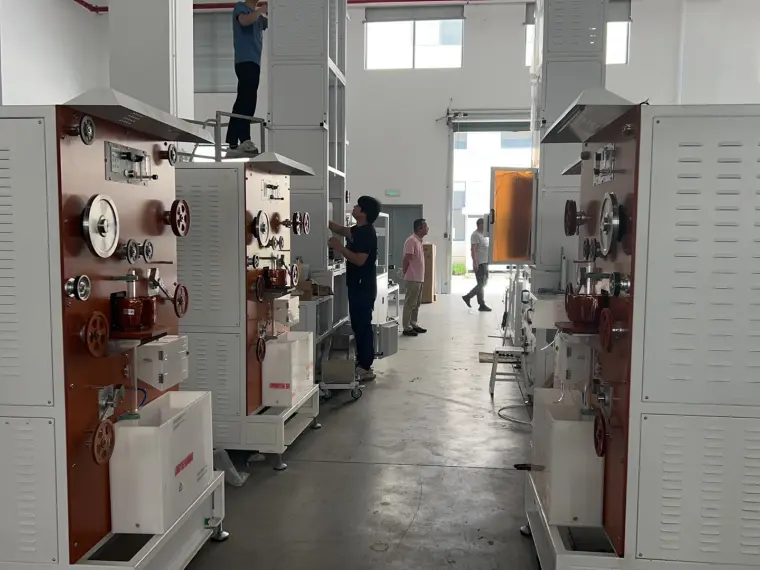
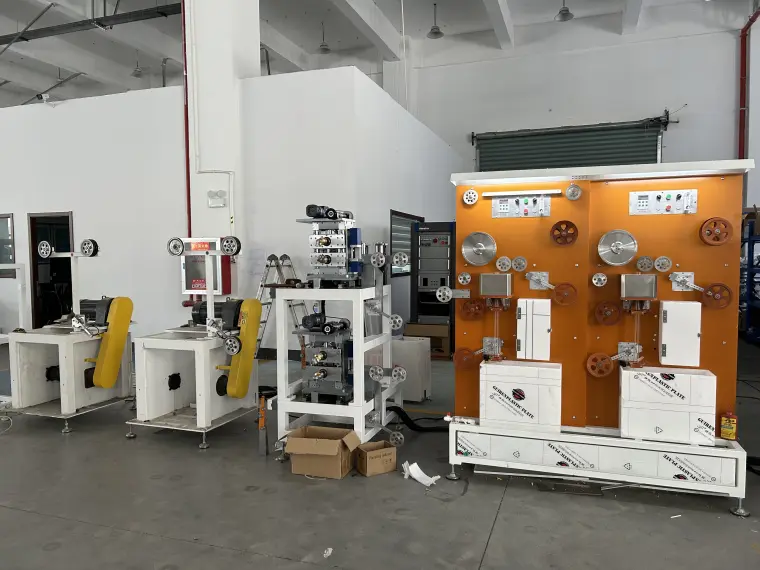
Introduction to Tinned Copper Wire Production Line
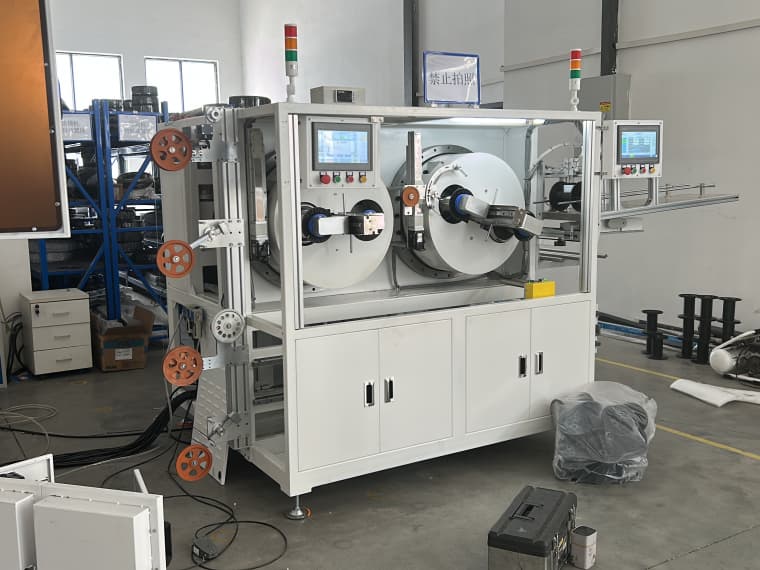
This advanced equipment is designed to convert round copper wire into photovoltaic ribbons, allowing seamless processing of round wire, flat ribbon wire, and segmented round wire. Its versatile design supports both round and flat wire applications.
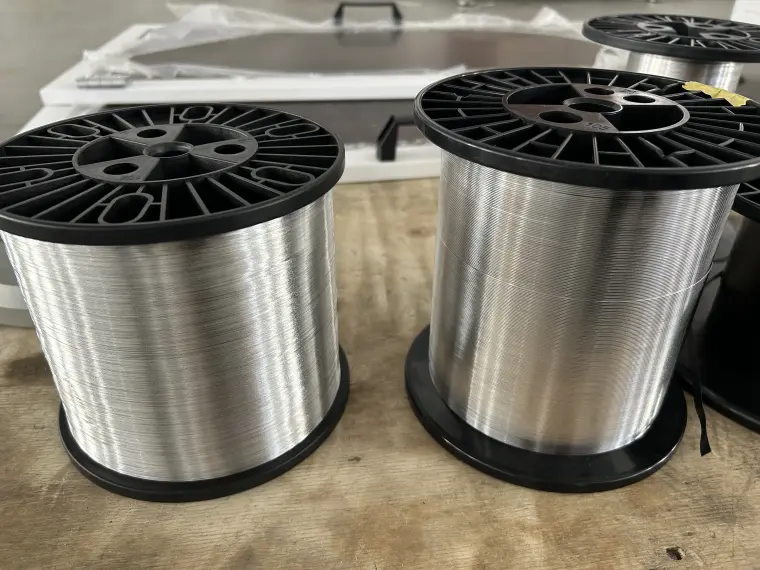
Key features include precise take-up reed movement for stable wire handling, an automatic bobbin change system to reduce downtime, fully automatic wire threading to improve efficiency, and complete automation of bobbin loading unloading and placement to minimize manual labor and boost productivity.This equipment delivers reliable performance and flexibility, making it well suited for high volume photovoltaic ribbon production.
Dual Wire Drawing Machines
This is the first part of the copper wire tin plating machine, designed to draw large-diameter copper wire into thinner sizes. The input wire diameter typically ranges from 8 mm to 3.00 mm. The system includes:
- Rod Breakdown Machine : Reduces wire from 8 mm – 3.00
- Intermediate Drawing Machine: Further reduces the wire size to 3.0 – 0.26 mm.
- Fine Drawing Machine: Achieves precise wire reduction to 0.26 mm.
These machines work together to efficiently reduce the wire size, preparing it for the tin plating process.
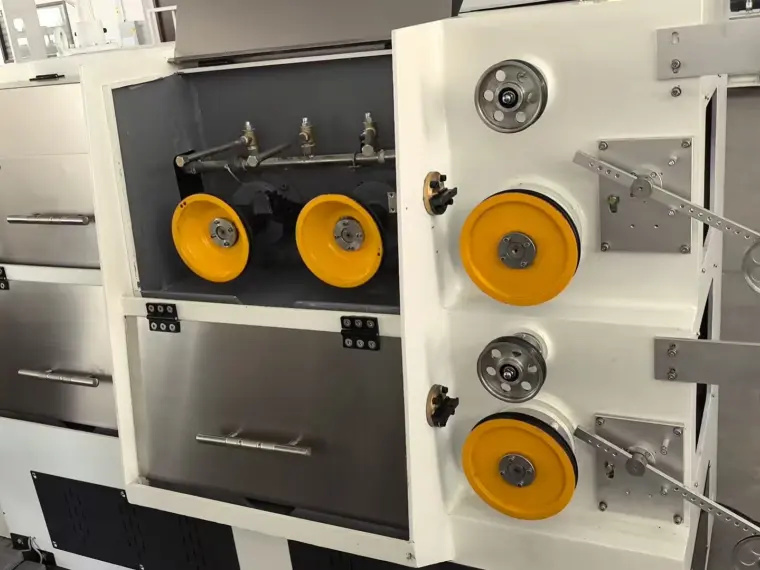
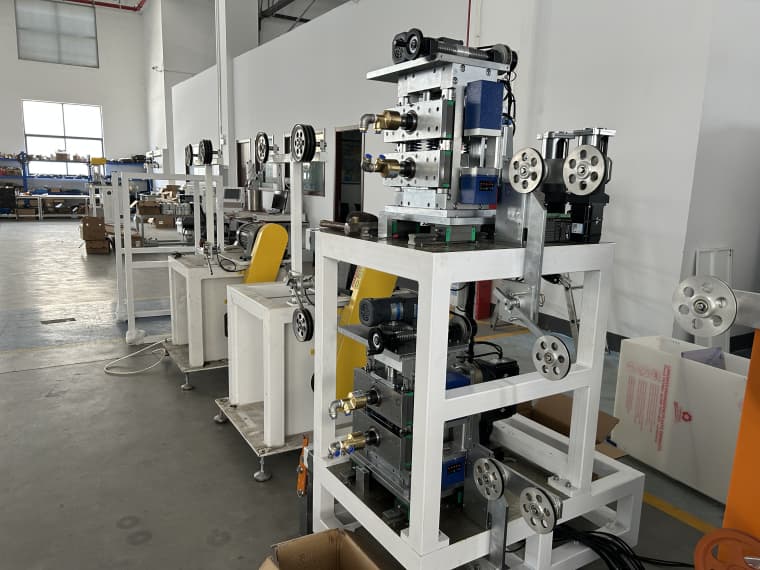
Dual Wire Rolling Mills
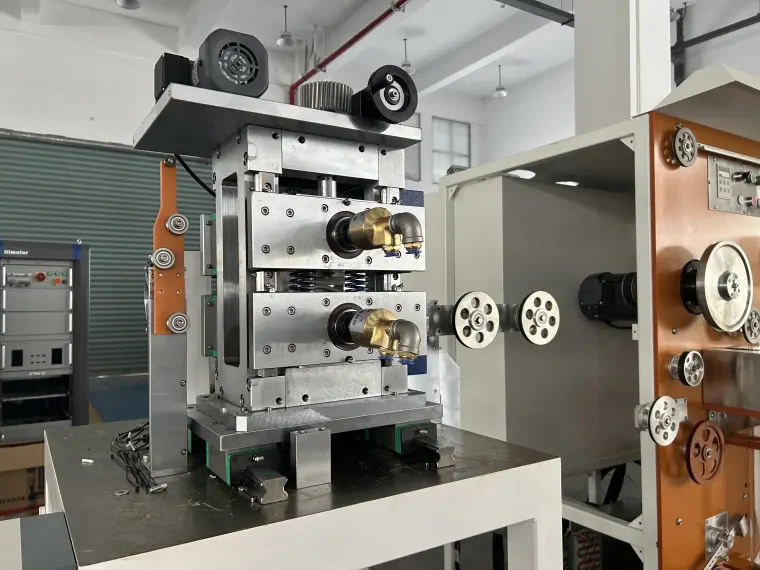
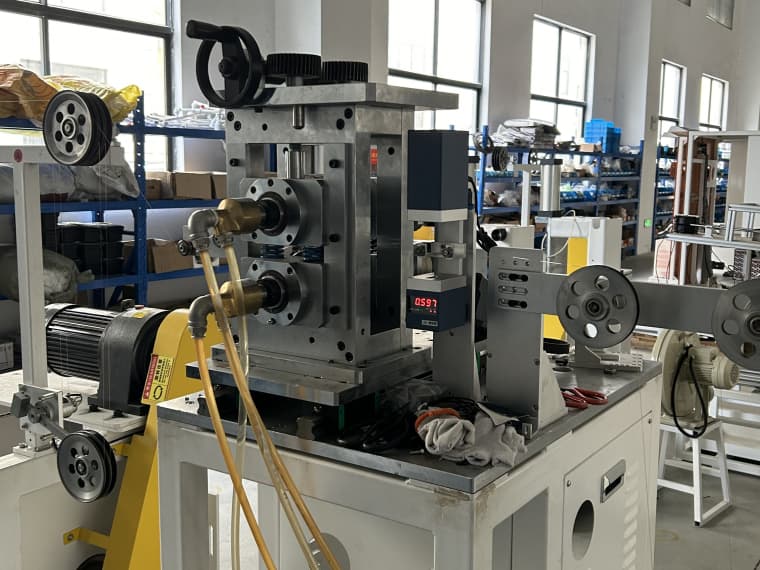
The CRM dual rolling machine, integrated into the Tinned Copper Wire Production Line, is designed to convert round copper wire into high-quality flat wire. It is offered as an optional solution for users with specific flat wire requirements and also addresses a growing market demand, enhancing the versatility and efficiency of CRM’s Tinned Copper Wire Production Line.
Dual Induction Annealing Machines
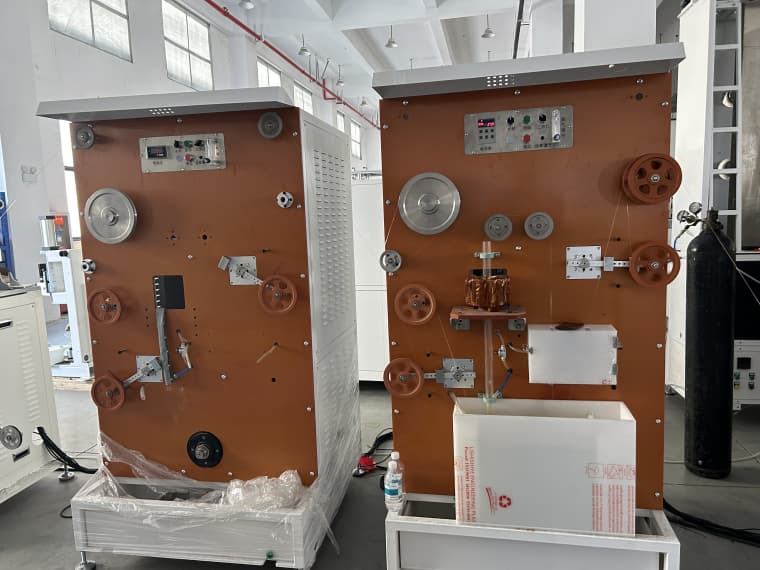
The CRM Dual Induction Annealing Machines, an essential part of the Tinned Copper Wire Production Line, are designed for precise and efficient annealing of fine copper wires. This dual induction annealing system employs non-contact heating, ensuring uniform temperature control and optimal wire performance. Proper grounding of the equipment minimizes the risk of electric shock, providing a safe working environment. Operating at a constant speed, the machines guarantee stable production and consistently high-quality tin-coated copper wire, making them a reliable solution for modern copper wire tin plating lines.
Is Sn60Pb40 the Standard Tin Alloy Used in Photovoltaic Ribbon Wire Production?
Yes, Sn60Pb40 (which means 60% tin and 40% lead) has traditionally been a standard solder alloy used in photovoltaic (PV) ribbon wire production. This alloy offers good solderability, mechanical strength, and reliable electrical conductivity.
However, due to environmental and health regulations—such as the RoHS directive—many manufacturers have shifted towards lead-free alternatives (e.g., Sn99.3Cu0.7 or Sn96.5Ag3.0Cu0.5) in recent years.
If you’re working with traditional PV ribbon manufacturing or certain legacy systems, Sn60Pb40 may still be common, but the industry trend is moving toward lead-free alloys for better environmental compliance.
- Flexible & Cost-Effective
- VIP & Annual Pass Programs
- Overseas Installations
- Satisfaction Guarantee
- 24/7 Available to Service
Copper Wire Tinning Machine – Reliable Tin Coating for Fine Copper Wires
The CRM Copper Wire Tinning Machine features a gantry frame with horizontal and vertical supports to keep the wire stable during tinning. It applies a thin layer of tin alloy (Sn60Pb40) to the copper wire. The air knife is vertically adjustable via a guide rail, and the air duct outlet is customized for uniform airflow and improved cooling. The miniaturized tin furnace (240 kg per double head) reduces tin accumulation for more efficient operation.

Dual Wire Takeup Machines
- Clamp-type loading with center-point positioning ensures accurate placement of bobbins. Cylinder pressing applies uniform force, resulting in higher wiring precision, less bobbin damage, and a higher bobbin reuse rate.
- Fully automatic loading and unloading complete the main tasks of machine operation, reducing the skill requirements for employees. This allows fewer operators to manage more machines, saving labor and lowering training demands.
Why Is Choosing the Right Copper PV Welding ribbon machine So Important?
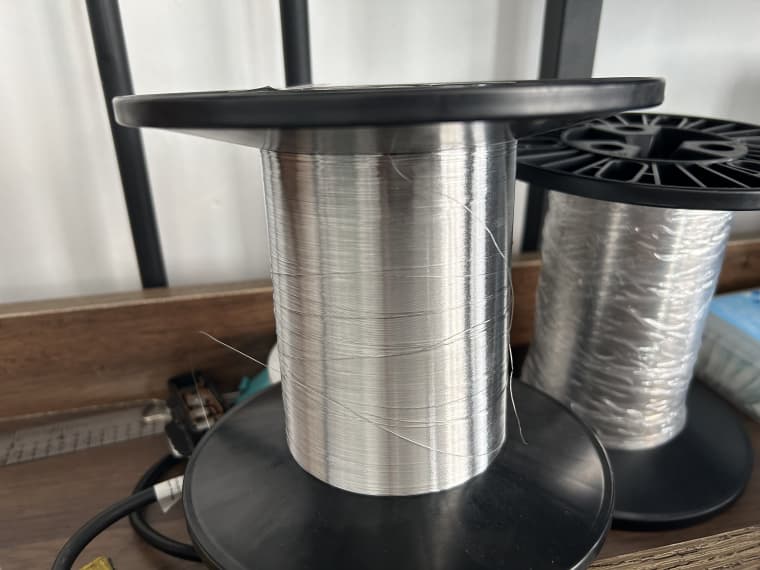
Photovoltaic welding ribbon, also known as tinned copper ribbon or tin-coated copper strip, is a critical material used in the interconnection of solar cells within photovoltaic (PV) modules. It is typically classified into busbars (current collecting tape) and interconnect ribbons, both essential for conducting electricity between cells.
As a key component in the PV module soldering process, the quality of the welding tape directly influences the current collection efficiency and overall output power of the solar module. Reliable and secure soldering is crucial—poor-quality tape or improper bonding can result in false welding, leading to reduced performance or failure.
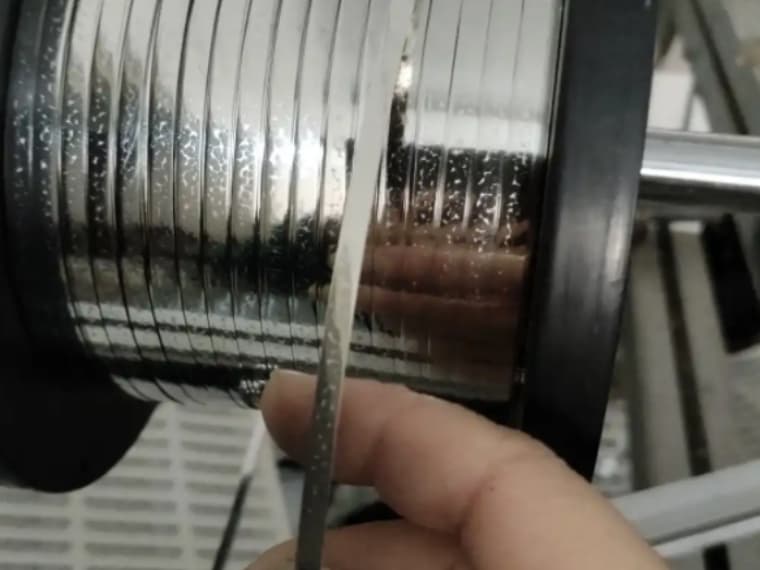
When selecting welding tape, it’s important to match its characteristics with those of the solar cells being used. In general:
- Thickness is selected based on the cell’s thickness and the expected short-circuit current.
- Width should align with the width of the cell’s main busbar.
- Hardness depends on the cell’s thickness and the type of welding tool used.
Choosing the appropriate welding tape ensures optimal electrical performance and long-term reliability of PV modules.